


How to Avoid Bait and Switch Plumbing

Table of Contents
What Bait and Switch Plumbing Looks Like in Practice
Low Advertised Prices and Misleading Discounts
Hidden Fees, Extra Charges, and Unrequested Upsells
Warning Signs of a Bait and Switch Plumbing Estimate
Questions to Ask Before Hiring a Plumber
How to Verify a Plumber's License and Insurance
Use a Plumbing Estimate Checklist to Compare Quotes
Normalize the Scope Before You Compare Price
Compare Labor, Parts, and Fees Line by Line
If a Plumber Changed Price After Starting Work
What to Put in a Written Dispute
When to Escalate Beyond the Company
Emergency Service Safeguards and Consumer Protections
Frequently Asked Questions
Last Updated: October 18, 2026
What Bait and Switch Plumbing Looks Like in Practice
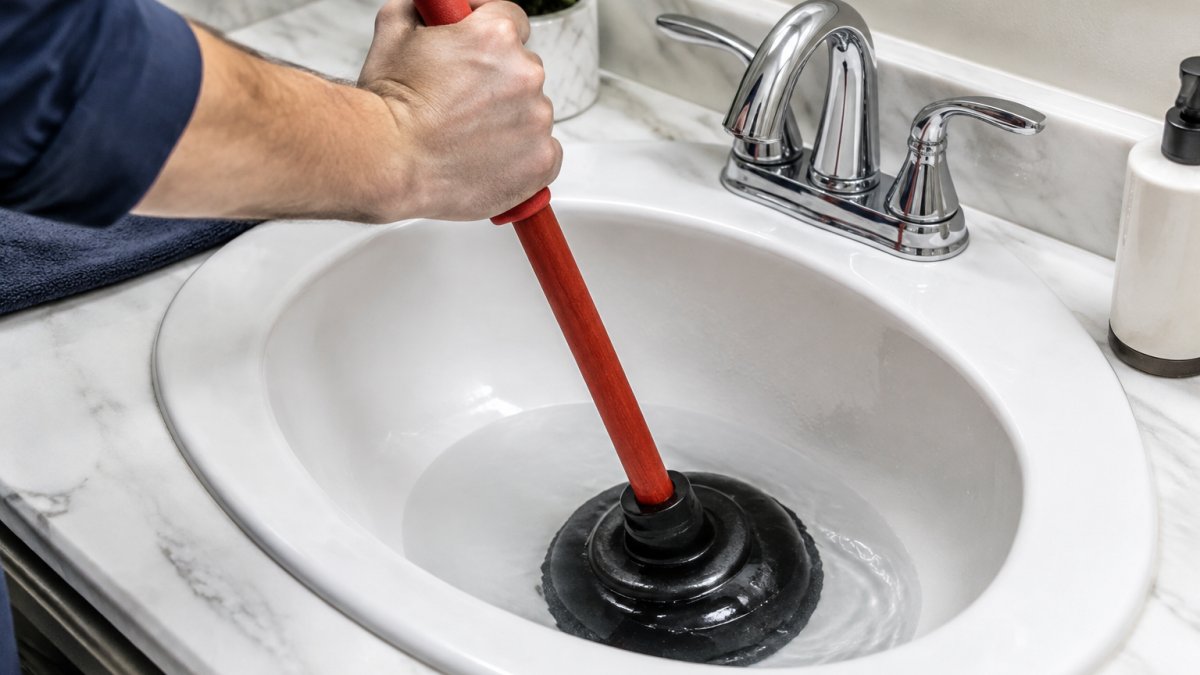
Bait and switch plumbing is a pricing tactic where a company advertises one low price, then raises the bill once you are committed. At True Value Plumbing, we hear the same story from customers again and again: a quoted price for drain clearing that doubles by the time the truck leaves.
The pattern usually follows a script. A homeowner calls about a slow drain. The phone quote sounds great. Then the technician arrives, looks at the pipes, and delivers bad news.
Low Advertised Prices and Misleading Discounts
A low advertised price is the hook. It is often too good to be true because it cannot cover the real cost of the job. The ad may promise a set price for "any drain" or "any repair," with fine print that limits what counts.
Watch for these red flags:
A price far below every other quote you got
Discounts that expire "today only"
A quoted number with no written estimate attached
A misleading discount works the same way. The company inflates the base price, then "discounts" it back to normal. You feel like you saved money. You did not.
Hidden Fees, Extra Charges, and Unrequested Upsells
Hidden fees show up after the work starts. Common versions include a service call fee, a diagnostic fee, and charges for "shop supplies" nobody mentioned. The extra charges stack up fast.
Then come the unrequested upsells. A simple clog becomes a "full line replacement." A dripping faucet becomes a "whole-house repipe." Some of these repairs may be real. Many are not.
Watch Out If a plumber adds charges that were not in the written estimate, stop and ask for an itemized bill before paying. Paying first weakens your position if you later dispute the charge.
Warning Signs of a Bait and Switch Plumbing Estimate
A bait and switch plumbing estimate gives itself away early if you know what to look for.
Here is what a bad estimate looks like:
"We'll fix the problem" with no detail on how
No parts and materials listed
No labor costs broken out
High-pressure sales is the second warning sign. A technician who says you must "act fast" or the price goes up is using scare tactics.
Good plumbers put the scope of work in writing before any tool comes out of the truck. They explain the repair estimate in plain terms.
Questions to Ask Before Hiring a Plumber
Ask these questions before hiring a plumber, and you will filter out most bad actors in one phone call. Write them down. Ask the same questions to every company you call, so you can compare answers side by side.
The core questions:
Is your price quote written, and will it change after you arrive?
What is your service call fee, and does it apply to the repair?
Will I get an itemized bill showing labor costs and parts and materials?
Who does the work, and are they licensed?
What is your warranty on parts and labor?
A straight answer comes fast. A runaround answer tells you plenty.
Pro Tip Ask for the quote in writing by email or text before you book. A company that will not put a price in writing before the visit is telling you the price is not final.
How to Verify a Plumber's License and Insurance
License verification takes minutes and protects you from real risk. Most states run a public license lookup you can search by name or license number.
Insurance matters just as much. If an uninsured worker damages your home or gets hurt on the job, the cost can land on you.
Use this quick check:
License number matches the company name
License is active and not expired
Insurance certificate lists general liability
A plumber with nothing to hide will hand over these details without a fuss.
Use a Plumbing Estimate Checklist to Compare Quotes
A plumbing estimate checklist turns a pile of quotes into a fair comparison. The trick is to compare estimates on an apples-to-apples basis. Two quotes only mean something if they cover the same scope of work, the same parts, and the same exclusions.

Run every quote through the same checklist before you compare dollars:
Written estimate with a clear scope of work
Labor costs listed separately from parts and materials
Brand and grade of parts named, not just "high-grade materials"
Normalize the Scope Before You Compare Price
The first move is to rewrite each quote into the same format. Take a blank sheet and create one row per task: diagnose the clog, clear the line, camera the line, replace the trap, test and clean up. For each quote, mark whether that task is included, excluded, or listed as "if needed." A quote that leaves out camera inspection is not cheaper, it is a smaller job.
Watch for these scope traps:
"Any drain" specials that exclude main line, root intrusion, or second-story access
"Repair" quotes that do not say whether parts are included
"Free estimate" offers where the diagnostic fee appears only after the technician arrives
Compare Labor, Parts, and Fees Line by Line
Line-item comparison means matching each charge across quotes. One company may quote a lower-grade part at a lower price. Another may quote a higher-grade part that lasts longer. The cheaper quote is not always the better deal.
What to Compare | Why It Matters |
Scope of work | Same job, same tasks, same result |
Parts grade | Lower-grade parts can fail sooner |
Labor and fees | Hidden fees hide here |
Warranty | Longer coverage means more confidence |
Change order rules | Tells you how price changes get approved |
Go deeper than the table. Ask each company to quote the same part by brand and model, the same labor hours, and the same warranty length.
Pro Tip Build a simple comparison grid with one column per company and one row per line item. Fill in only what is written on the estimate. Any blank cell is a question to ask before you sign.
If one quote is far below the rest, ask why in writing. The gap is usually a missing part of the job, a lower-grade part, or a fee that appears later, not a bargain.
If a Plumber Changed Price After Starting Work
When a plumber changed the price after starting work, you still have options. The first step is to stop and get it in writing. Ask for a written change order that lists the new work, the new cost, and why the original scope of work changed. A verbal "it'll be a bit more" is not a change order.
Then follow these steps in order:
Do not pay yet. Ask for the itemized bill and the change order. Paying first weakens your position if you later dispute the charge.
Compare to the written contract. If the change was not approved in writing before the work continued, you are not bound to it. Note the time and date of any verbal approval you gave, and what you understood it to cover.
Get a second opinion. A different licensed plumber can confirm whether the extra work was needed. Ask for a written opinion you can attach to a dispute.
Document everything. Save texts, emails, photos of the work area before and after, the original estimate, the invoice, and any change order. Screenshot call logs. Write a short timeline of what was said and when.
Dispute the charge in writing. Send a letter or email to the company that states the original quoted price, the added charge, the fact that you did not approve it in writing, and the amount you believe you owe. Keep a copy.
Know your rights. Your state attorney general's consumer protection office handles billing disputes, and the FTC's consumer advice on home repair scams explains how to report fraud. Your state licensing board for plumbers can also review complaints about unapproved work and license violations.
What to Put in a Written Dispute
A dispute letter does not need to be long. It needs to be specific. Include the company name and license number, the date of service, the original written estimate, the final invoice, the amount in dispute, and a clear statement that the added work was not authorized in writing. Ask for a corrected invoice and a written response within a set number of days.
Watch Out Do not sign a completion slip or a "work performed" acknowledgment that includes the disputed charge. Signing can be treated as acceptance of the final bill. If you must sign to get the technician to leave, write "signed under protest, charges disputed" next to your signature and photograph the document.
When to Escalate Beyond the Company
If the company will not correct the bill, escalate in this order: the company's owner or manager in writing, then your state licensing board, then your state attorney general's consumer protection office, then the FTC for patterns of fraud. Keep every response. A legitimate price change happens with your approval before work continues. A surprise charge at the end is a red flag, not a normal cost of doing business.
Emergency Service Safeguards and Consumer Protections
Emergency calls are where bait and switch plumbing does the most damage. When a pipe bursts at 2 AM, you are not shopping around. You are calling the first number you find.
Use these safeguards on every emergency call:
Ask for the after-hours rate and service call fee before the truck rolls
Get the price quote by text or email, even at night
Confirm the company name and license number on the phone
Consumer protection laws in most states require a written contract for home repair work above a set amount, and many give you a right to cancel within a few days.
At True Value Plumbing, we put the price in writing before we start, and we honor it. We also offer a 10% military and senior discount, applied without hassle, and we stand behind our work with high-quality, long-lasting results.
Frequently Asked Questions
What is bait-and-switch pricing in plumbing?
Bait-and-switch pricing means a plumber advertises a low price, such as a cheap drain clearing or a discounted service call fee, then raises the total once on site through added fees, upsells, or a changed scope of work. The low number gets you to call; the final bill reflects charges you never agreed to. A written, itemized estimate with a clear scope of work and approval-before-work clause is the main defense.
Can a plumber increase the price after starting the job?
A plumber can only charge more if the scope of work genuinely changes, and even then the increase should come as a written change order you approve before the extra work begins. Unexpected conditions like a hidden leak or corroded pipe can justify a new price, but the plumber must stop, explain it, and get your sign-off. If the price jumps without your approval, ask for an itemized invoice and dispute the unauthorized charges in writing.
How do I compare plumbing quotes fairly?
Use a plumbing estimate checklist and compare line by line: labor costs, parts and materials, permit fees, service call fee, warranty terms, and the exact scope of work. Make sure each quote covers the same job, the same grade of materials, and the same cleanup and haul-away. A low quote that excludes parts or permit costs is not cheaper; it is incomplete. Ask each plumber to itemize so you can spot the gaps.
What should I do if a plumber changes the quoted price?
Stop and ask for the change in writing before any additional work continues. Request a written change order that lists the new scope, the added cost, and why it is needed. If the plumber refuses, ask for a second opinion and document everything: the original quote, texts, photos, and the final bill. You can dispute unauthorized charges with your card issuer and, where applicable, file a complaint with your state consumer protection office.
Bait and switch plumbing thrives on vague estimates, hidden fees, and pressure. You can shut it down with a written quote, a license check, and a simple checklist. True Value Plumbing handles routine repairs, water heater replacement, and emergency drain clearing with upfront pricing and a transparent process from the first call to the final bill. Get started with True Value Plumbing and book online for a quote you can trust.
Book Online

Comments